RSN Director to Present as Part of Panel at Sustainable Brands 2012 Conference in San Diego, June 6
Driving a Revolution in Conflict-Free Minerals
This panel will outline a revolutionary and comprehensive approach to achieving conflict-free minerals in our electronic devices, automobiles and airplanes. Even before the final rule has been issued on Conflict Mineral Provision 1502 of the Dodd-Frank Act, proactive corporations and industry associations have already begun to map their entire value chains and implement traceability and accountability mechanisms every step of the way — all the way down to the dirt. However, to really achieve a sustainable source of minerals in the Democratic Republic of the Congo, the activities involved need to go beyond ensuring product value chains are free from conflict minerals. We are just starting to see the beginning of a multi-strategy, multi-stakeholder approach to materials sourcing which includes supporting economic development and capacity building in mining areas and beyond, as well as companies leveraging their diplomatic influence to encourage peacekeeping efforts.
Come learn from this current case study how to be a responsible revolutionary company operating in the shadow of one of our planet’s most devastating human rights challenges.
Download the slides from our webinar on May 10, 2012
From The Field: Travels of Uzbek Cotton Through the Value Chain
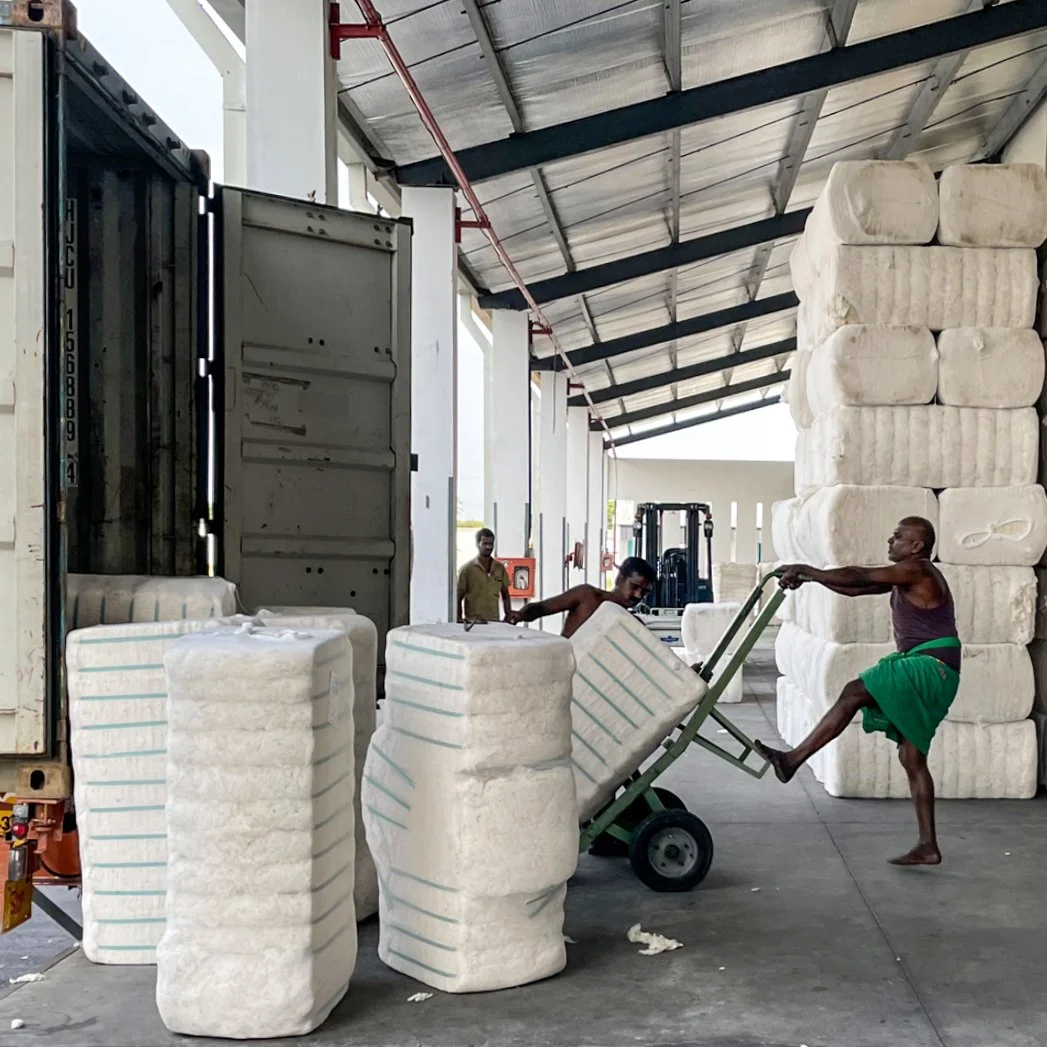
How does cotton picked by Uzbek children end up in the products we use and wear every day? From the Field: Travels of Uzbek Cotton Through the Value Chain, a new report from the Responsible Sourcing Network, a project of As You Sow, traces that journey to help brands and retailers eradicate Uzbek cotton produced with forced child labor from their supply chains.
Building on existing human rights reports about the cotton industry in Uzbekistan, From the Field digs into the Uzbek industries of cotton agriculture, ginning, processing, and shipping before it is exported. The report demystifies the value chain to give brands insight into the risks attached to this controversial cotton.
Target Audience
Brands and Retailers of cotton products
CSR, Sourcing and Design departments
Licensees and Buyers
Sourcing Agents
Outcomes
Educate the target audience on the issue of forced child labor in the cotton industry of Uzbekistan.
Expand knowledge of the production and characteristics of Uzbek cotton
Present the most current available facts and statistics on the Uzbek cotton industry and its exporting partners.
Increase understanding of brands and retailer’s exposure to the issue of forced child labor.
Present and discuss strategies to eliminate forced child labor from company’s value chains.