Connect with us!
Subscribe

RSN BLOG

Thursday
May302013

Investors show support for Conflict Minerals Rule 1502 and disagreement with lawsuit filed by business lobby groups


More than 50 sustainable, socially responsible, and faith-based investment groups representing $458.67 billion in assets under management released a statement today expressing their support for the SEC’s final rule for Conflict Mineral Section 1502 of the Dodd-Frank Wall Street Reform and Consumer Protection Act. They also reiterated their disagreement to the lawsuit filed against the Securities and Exchange Commission (SEC) by the U.S. Chamber of Commerce, the National Association of Manufacturers, and the Business Roundtable.   

To see the press release related to this investor statement please see the PR & Mentions page in the Media section of our website.

Highlights of the statement:

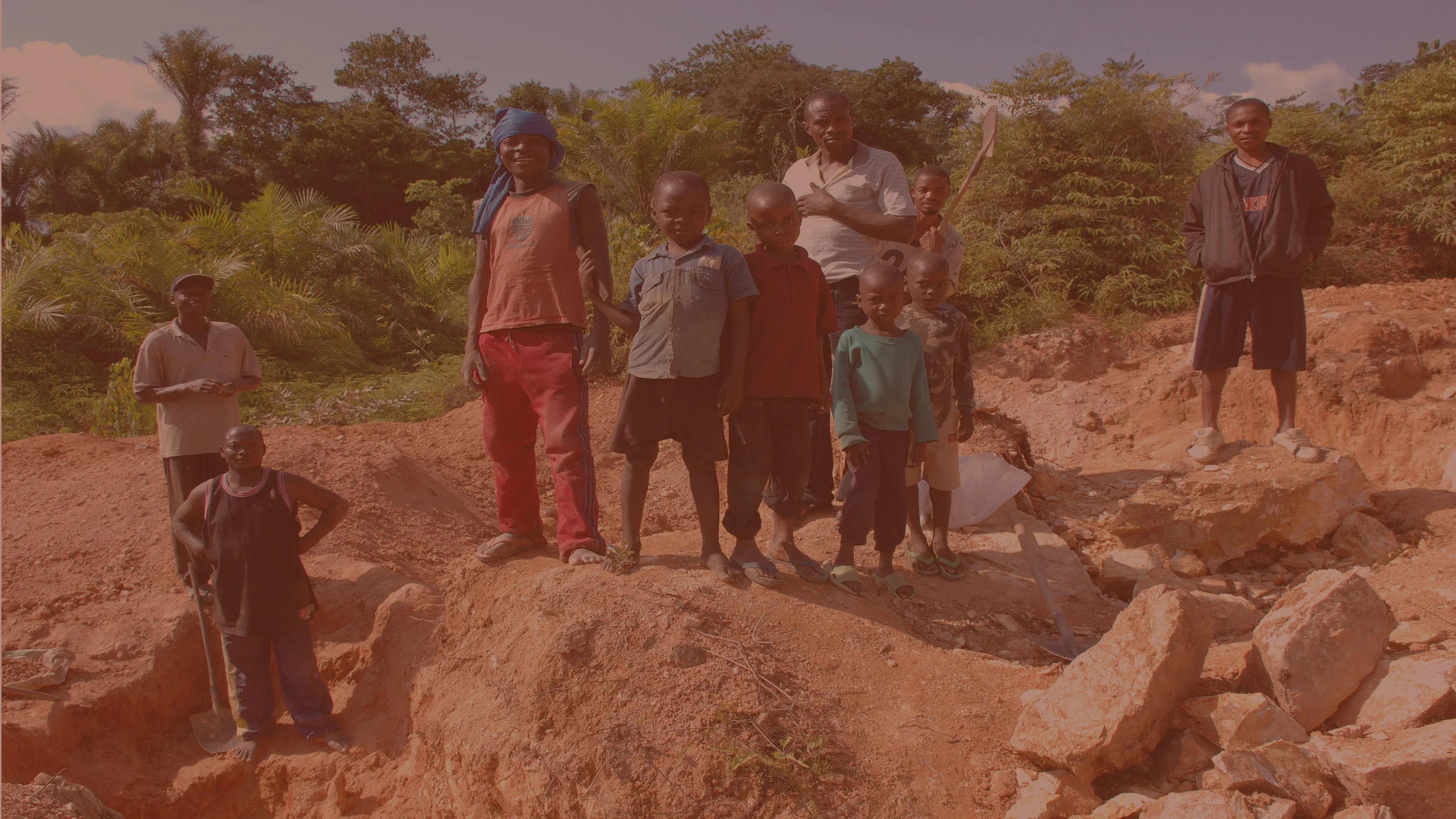
  • The group believes the SEC’s final rule of Section 1502 protects investors and has an effect on a significant public interest since the conflict in the Democratic Republic of Congo (DRC) has claimed more than five million lives and conflict mineral revenues are known to fund armed groups in the region.

  • As investors and fiduciaries with a long‐term view of capital appreciation that must meet the interests of multiple generations of beneficiaries, it is important to protect investors through improved disclosure and reporting on social risk factors such as labor practices and human rights.

  • Requiring disclosure within a company’s supply chain allows investors to evaluate supply chain policies and practices, to make company‐to‐company comparisons, to calculate the level of risk associated with conflict mineral sourcing, and to provide assurance that companies are not engaging in destabilizing activities.

  • The final 1502 rule from the SEC appropriately considered the costs and benefits involved with implementation. The process for determining the rule was highly consultative and included comments from many industry leaders.

  • Any stay in legislation would hinder a much needed leverage point to address one of the root causes of the ongoing violence that has plagued the Congo for many years.

To see the submissions by the investor group to the SEC regarding Dodd-Frank 1502 rule, see the Investors page in the Minerals section of our website.


Tuesday
May212013

RSN Released To The Spinner Report

Cotton Spinners Are The Key Supply Chain Link to Slavery-Free Apparel 


In the wake of the tragic deaths of over one thousand factory workers in Bangladesh, apparel companies are feeling a renewed urgency to eradicate human rights abuses from their value chains.

RSN’s new report  To the Spinner: Forging a Chain to Responsible Cotton Sourcing provides guidance for companies seeking to ensure their value chains are free of cotton picked with forced labor. This report provides detailed steps for brands which will allow them to move from “not knowingly sourcing” to “knowing and not sourcing” Uzbek cotton. 

To the Spinner stresses not only the importance of brands forging relationships with spinning mills to determine the country of origin (COO) of the cotton found in their value chains, but also the necessity of brand commitment to establishing internal procedures and verification schemes to guarantee the elimination of cotton picked with forced or child labor. 

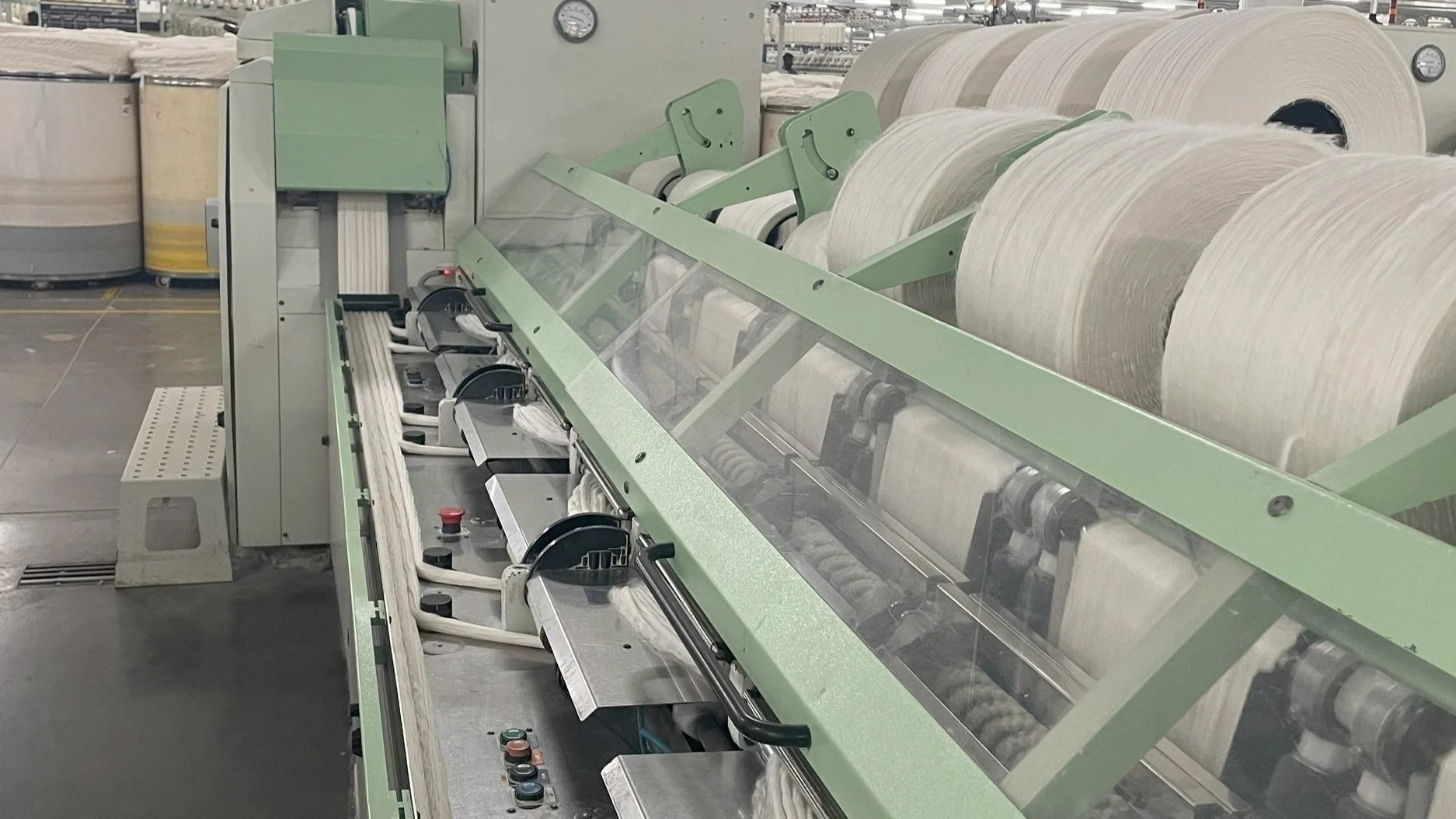
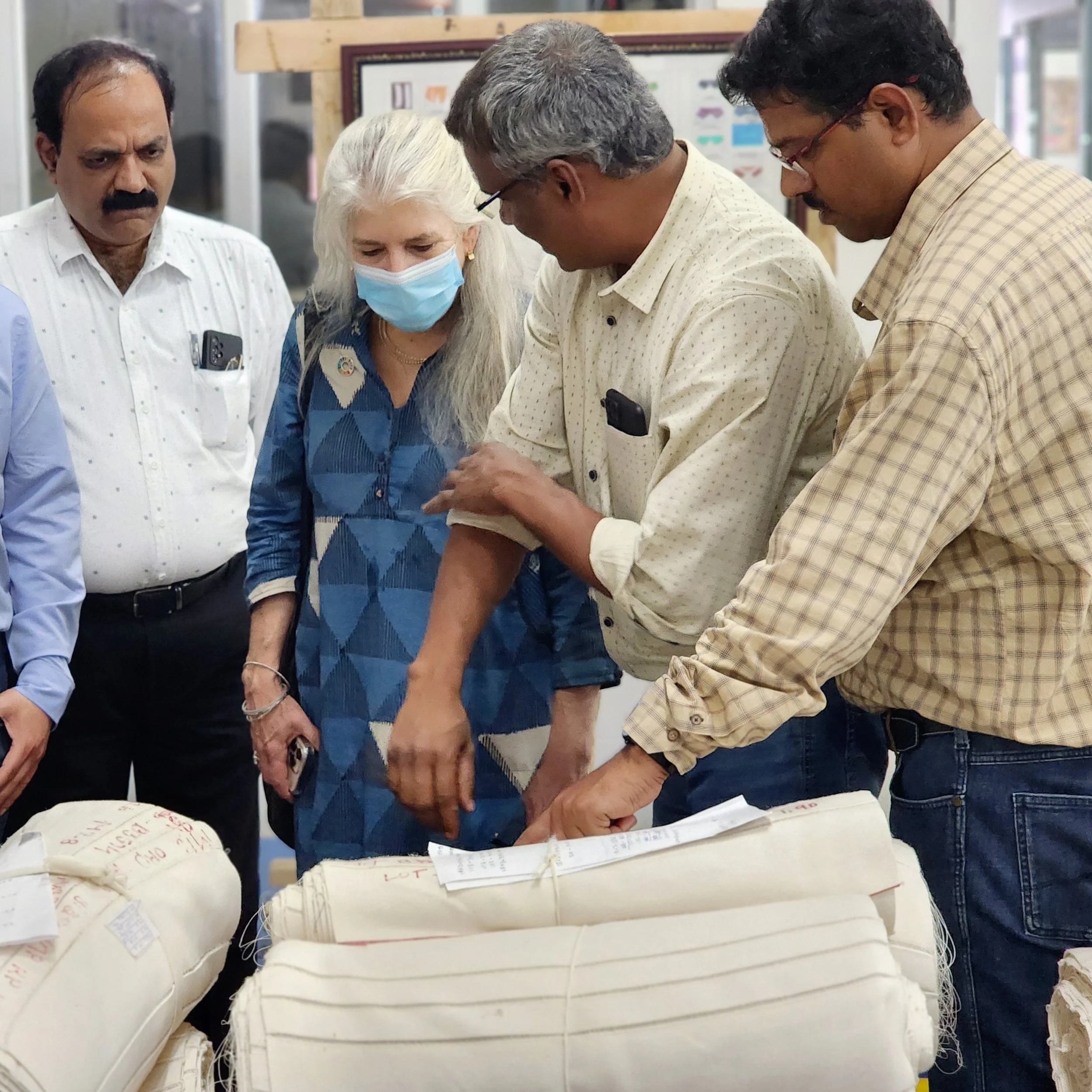
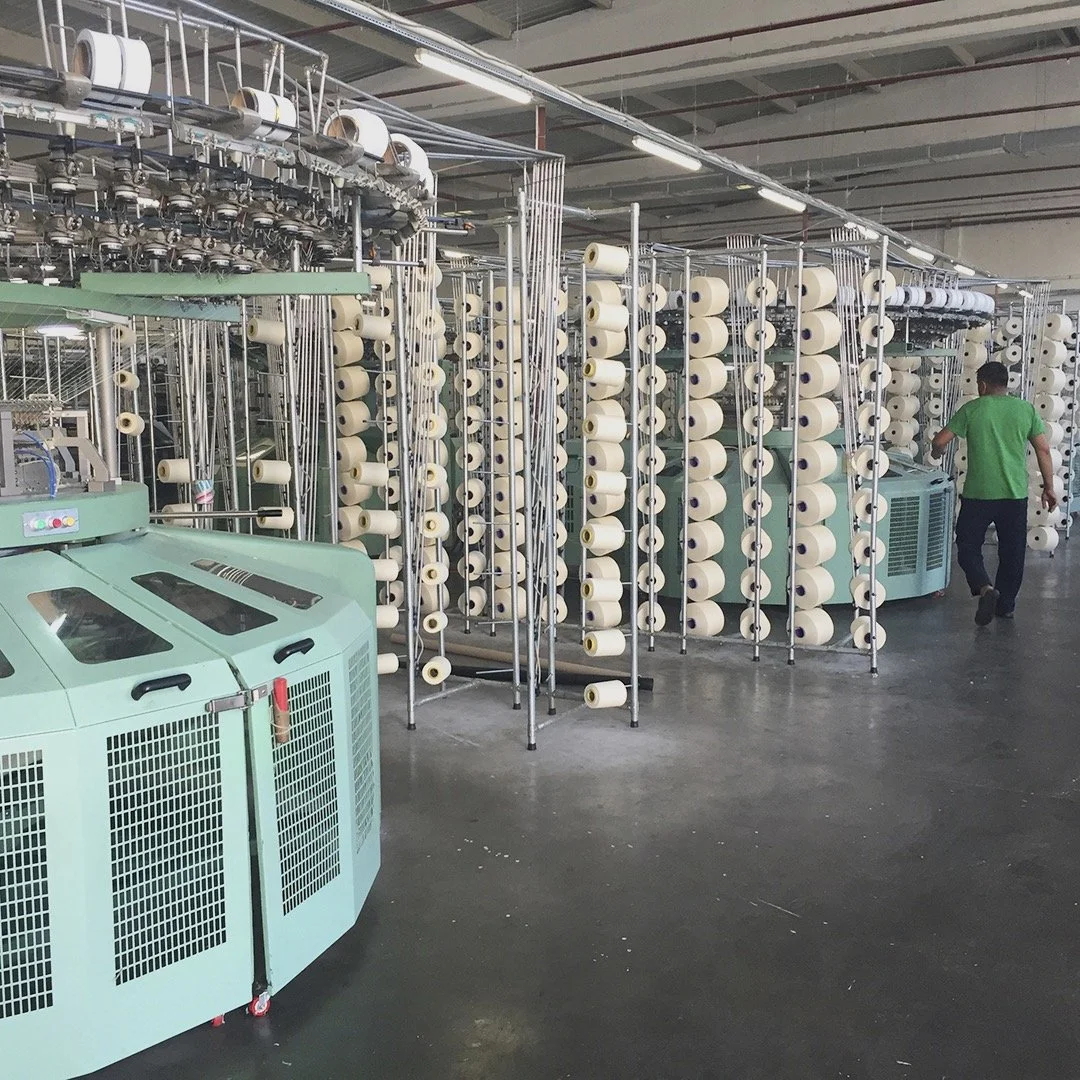
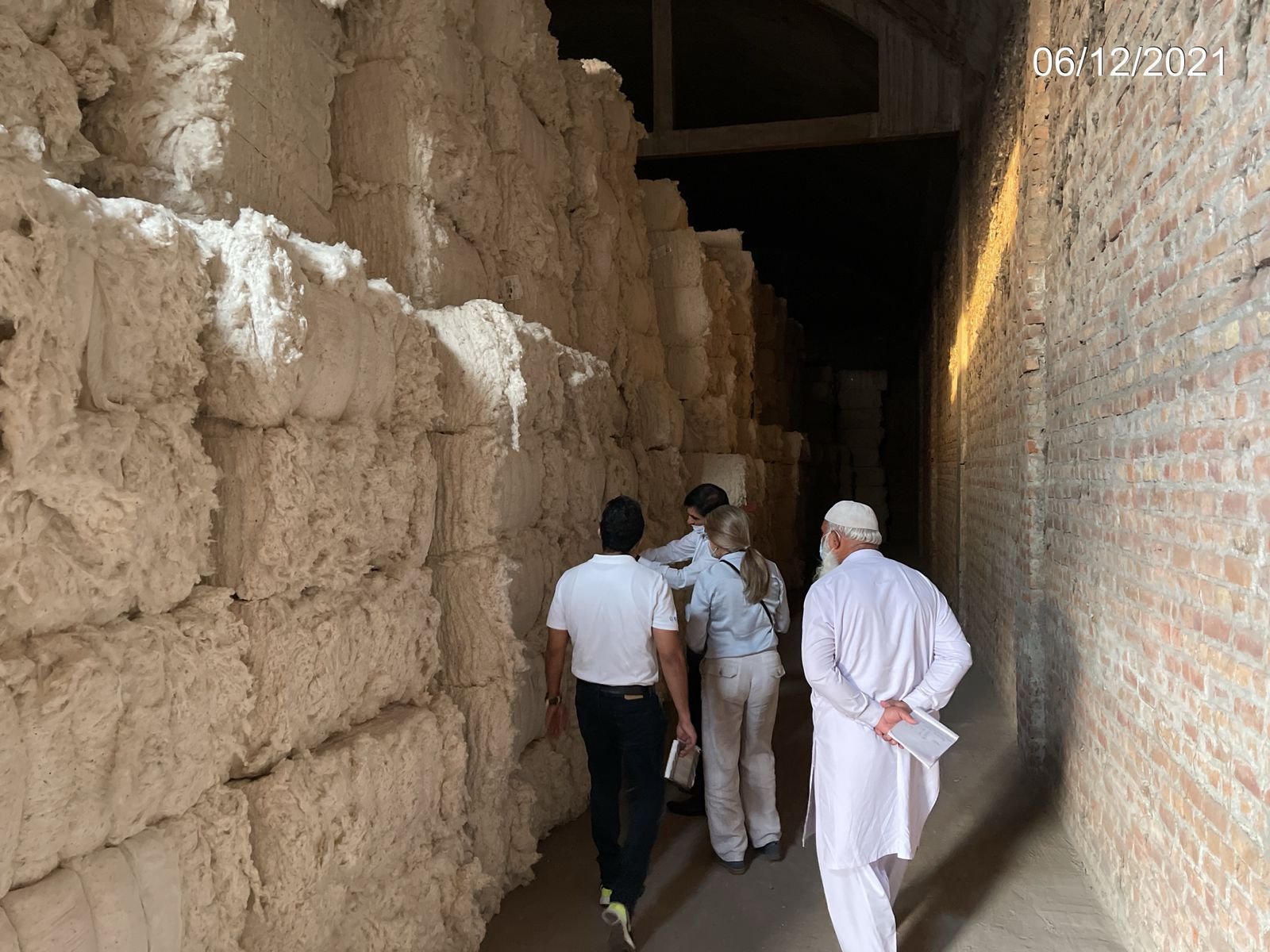
In the fall of 2012 report co-author Valentina Gurney visited cotton spinning mills in China, Switzerland, and the United States to learn first-hand what steps responsible spinners are taking to eliminate Uzbek cotton. Those insights are included, along with a comparison of traceability tools currently available to brands.

To the Spinner follows From the Field: Travels of Uzbek Cotton Through the Value Chain, which describes the characteristics of Uzbek cotton, details the risks associated with this cotton, and outlines what brands can do to avoid it.

From yarn spinners to textile mills to sourcing agents, every supplier interviewed for this report demonstrated that it holds its customers’ values in high regard. As suppliers begin to answer the brand and consumer calls for transparency, accountability, and the protection of workers, we move closer to forging a responsible cotton value chain.


Tuesday
May072013

Oral Arguments for 1502 Conflict Mineral Lawsuit Canceled


The lawsuit by industry trade groups against the Securities and Exchange Commission (SEC) regarding Conflict Mineral Section 1502 of the Dodd-Frank Act has had a recent change of events. The National Association of Manufacturers (NAM), U.S. Chamber of Commerce, and Business Roundtable, filed a motion on April 30th to transfer its conflict minerals case from the DC Court of Appeals to the DC District Court.

The plaintiffs decided to make this request because a similar case against the SEC for Extractives Transparency, Section 1504, was dismissed on April 26th for lack of jurisdiction by the Court of Appeals and transferred to the District Court.

This change of venue will likely delay a decision of the lawsuit, much to the dismay of the industry groups that were hoping to have a decision to the 1502 legal challenge by the end of 2013.

Currently, corporations falling within the mandate of Section 1502 will have to file a Special Disclosure form and possibly a Conflict Mineral report with the SEC by May 31, 2014 regarding information about the materials in their products from fiscal year 2013.

If companies were planning to wait to implement their conflict minerals compliance program implementation until after the court makes a decision, they should rethink that strategy.  It could be awhile. And since there is no additional information at this time on the timing of the case, companies should start analyzing the conflict minerals in their products and collecting information from their suppliers on the source of their materials if they have not already begun to do so.

May 31, 2014 will be here before you know it.

Tuesday
Apr232013

CNN Reports on Forced Labor in Uzbekistan

CNN Reports on Child Labor in Uzbek Cotton Industry

The problem of forced labor in the Uzbek cotton industry is the topic of an investigative report by CNN aired on February 21, 2013.  RSN Director Patricia Jurewicz makes opening remarks.


Monday
Mar252013

Bosco Ntaganda, Fugitive Warlord from Congo Surrenders

The fugitive Congolese warlord, Bosco Ntaganda (aka “The Terminator”) turned himself into the U.S. embassy in Kigali, Rwanda on March 18, 2013.  


On March 22, 2013, he was escorted by officials of the International Criminal Courts from the U.S. embassy in Rwanda, to The Hague, where he is wanted for crimes against humanity which include the conscription of child soldiers, murder and rape as a means of terrorizing civilian populations.


Profiting from several mining operations in the region, Ntaganda has lived what appears to be a charmed life, frequenting the finest bars and hotels eastern Congo has to offer. Apparently impervious to his fugitive status and a U.S. bounty of $5 million for his arrest, he has been known to slip across the border into neighboring Rwanda, with no officials attempting to apprehend him.


According to Time, “(w)ith Ntaganda in The Hague, his M23 hardline faction, which opposed the peace agreement with the DRC, is out the way. M23 Military chief Makenga may now be able to go ahead and re-incorporate his men into the state army. Whether that will lead to peace in eastern Congo–and perhaps a rapprochement between the DRC and Rwanda—remains to be seen.”


No one knows for certain why he surrendered but the Washington Post offers some possibilities:

http://www.washingtonpost.com/blogs/worldviews/wp/2013/03/18/why-did-infamous-war-criminal-bosco-ntaganda-just-surrender-at-a-u-s-embassy/http://www.washingtonpost.com/blogs/worldviews/wp/2013/03/18/why-did-infamous-war-criminal-bosco-ntaganda-just-surrender-at-a-u-s-embassy/