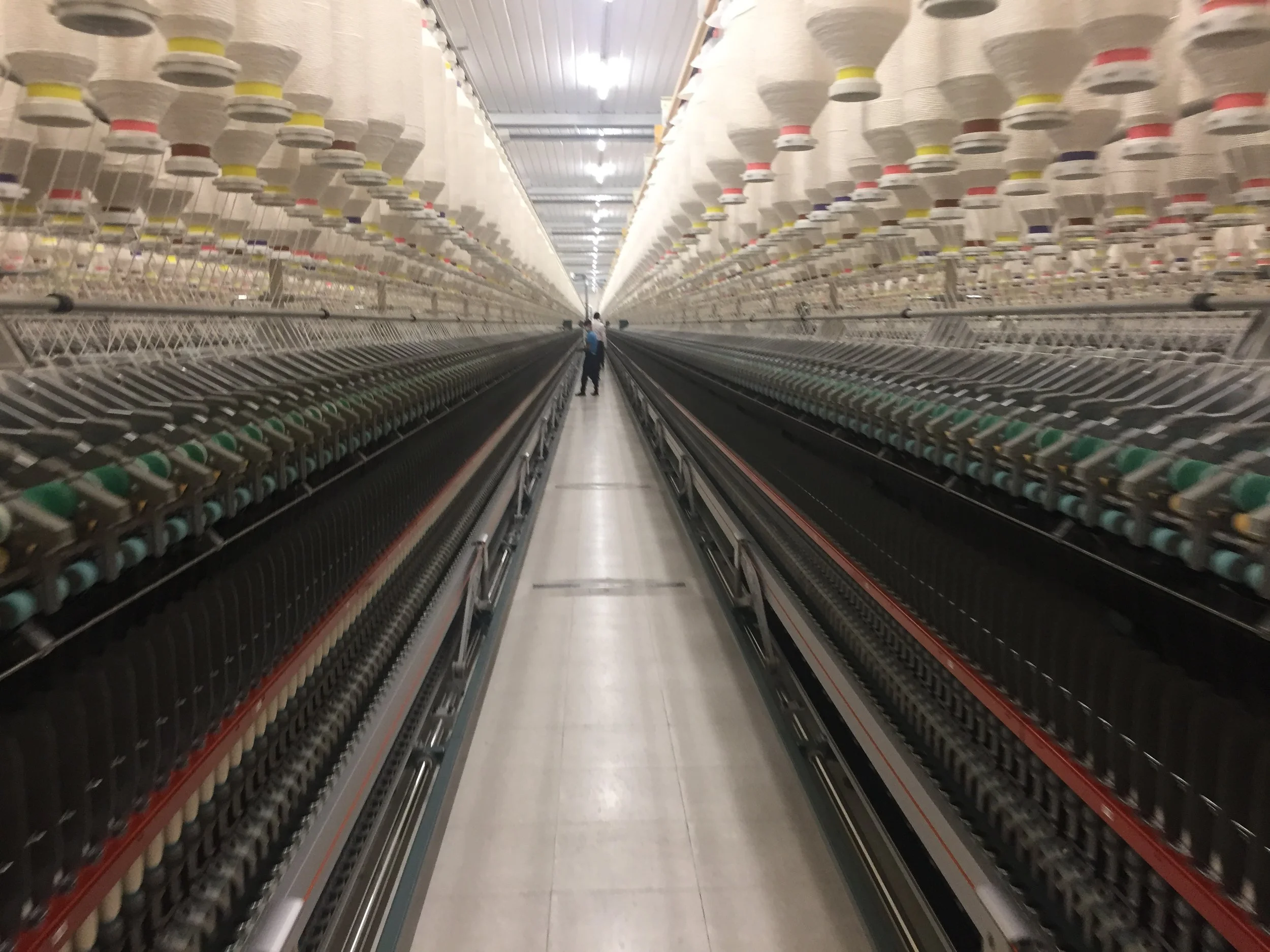
How Can We Mitigate Turkmen Cotton in the Turkish Supply Chain? YESS Is the Answer
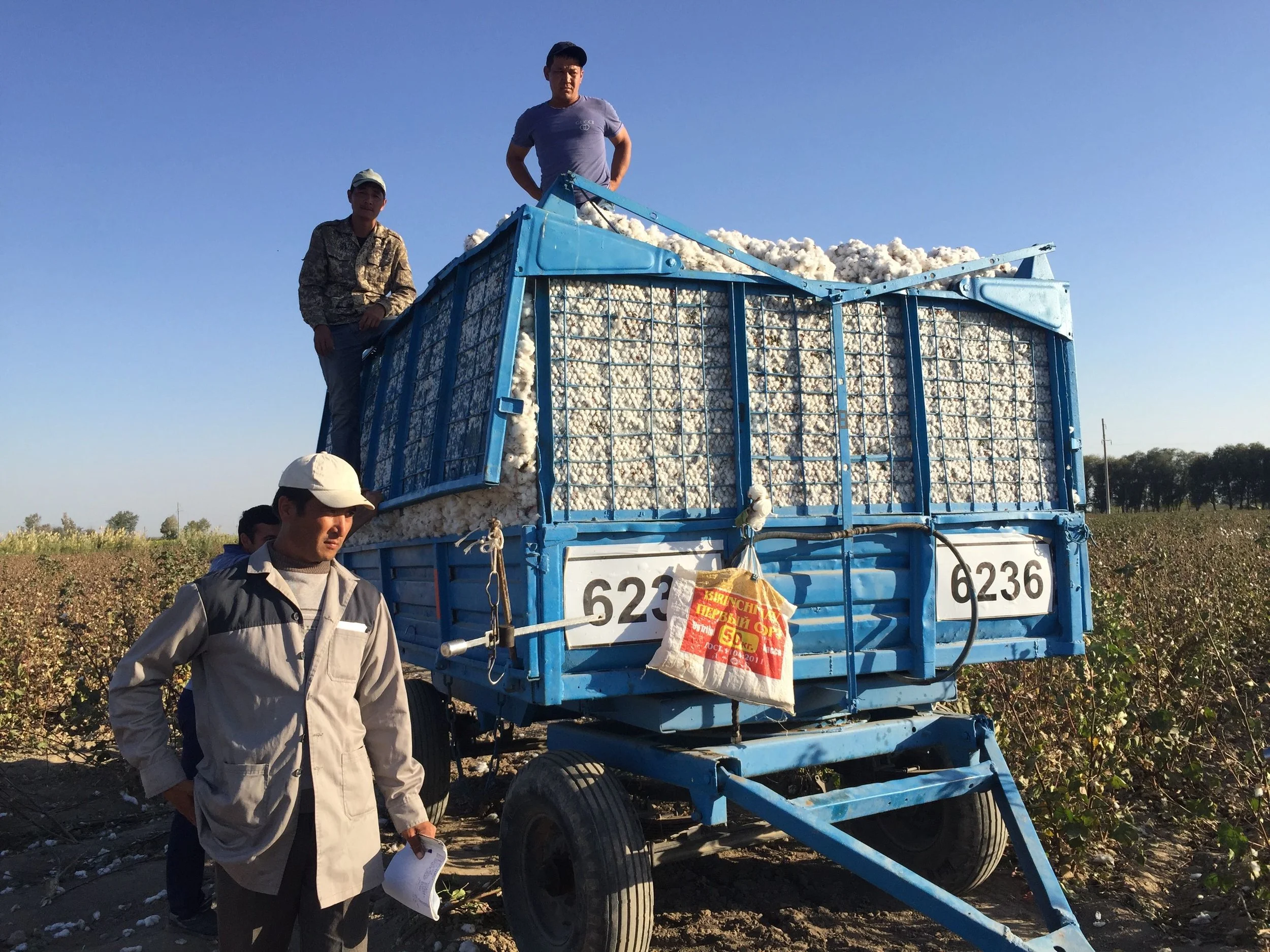
Turkmenistan has overwhelming examples of human rights violations with state-sponsored forced labor in its cotton production and there is concern this tainted cotton spreads to global markets through Turkey, one of Turkmenistan's largest global trading partners.
Read More
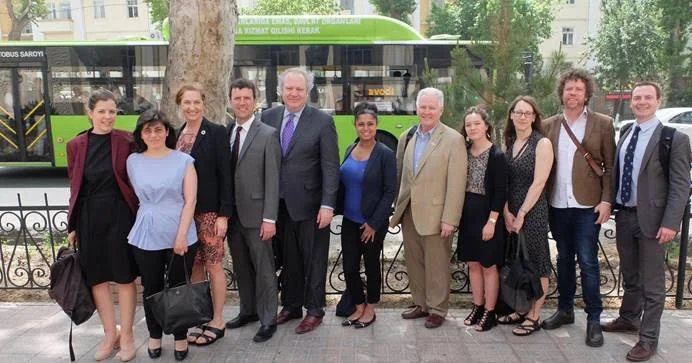
Forced Labor in Uzbekistan — Progress: YES, Elimination: NOT YET
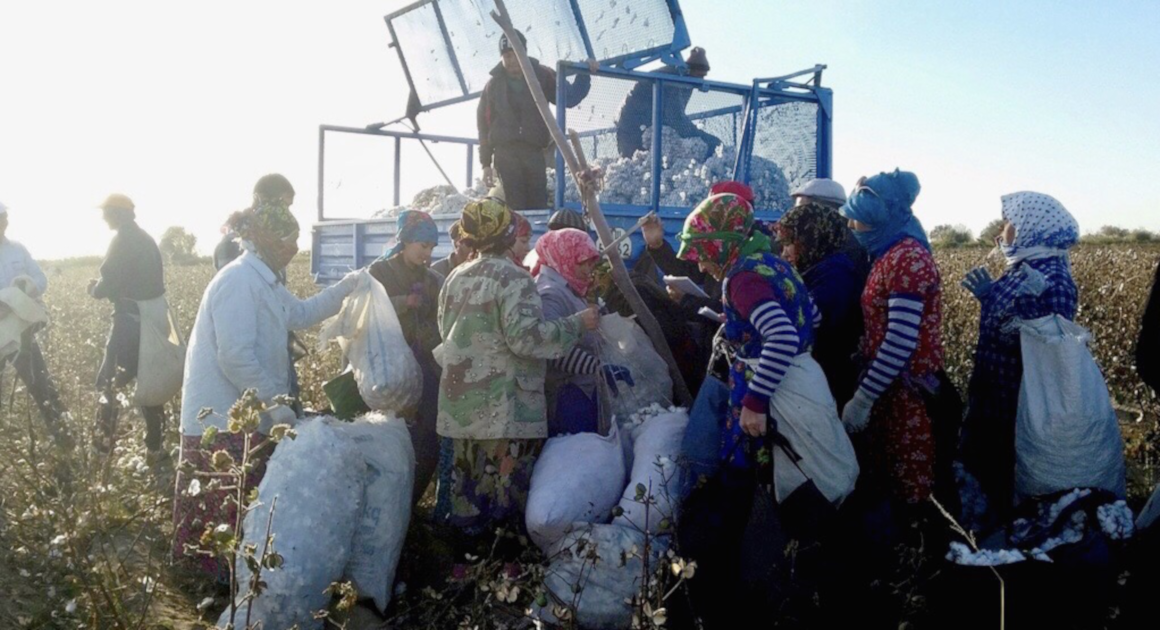
After a decade of engagement, the Uzbek government is starting to take steps to end the use of systemic forced labor in its cotton sector. Check out the Roadmap of Reforms for what needs to happen next.
Read More
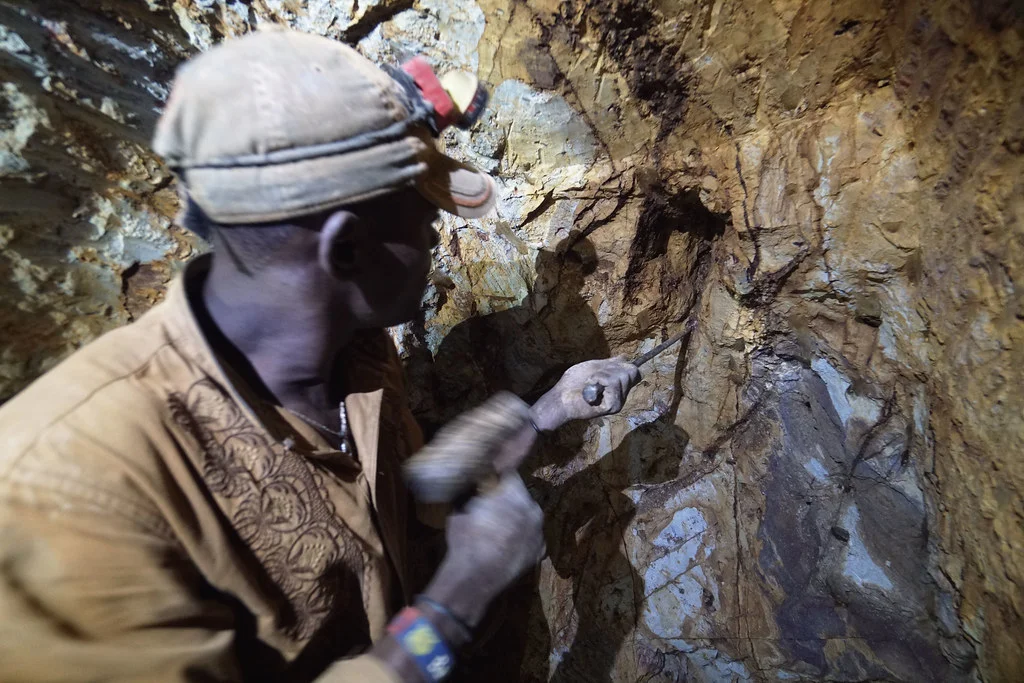
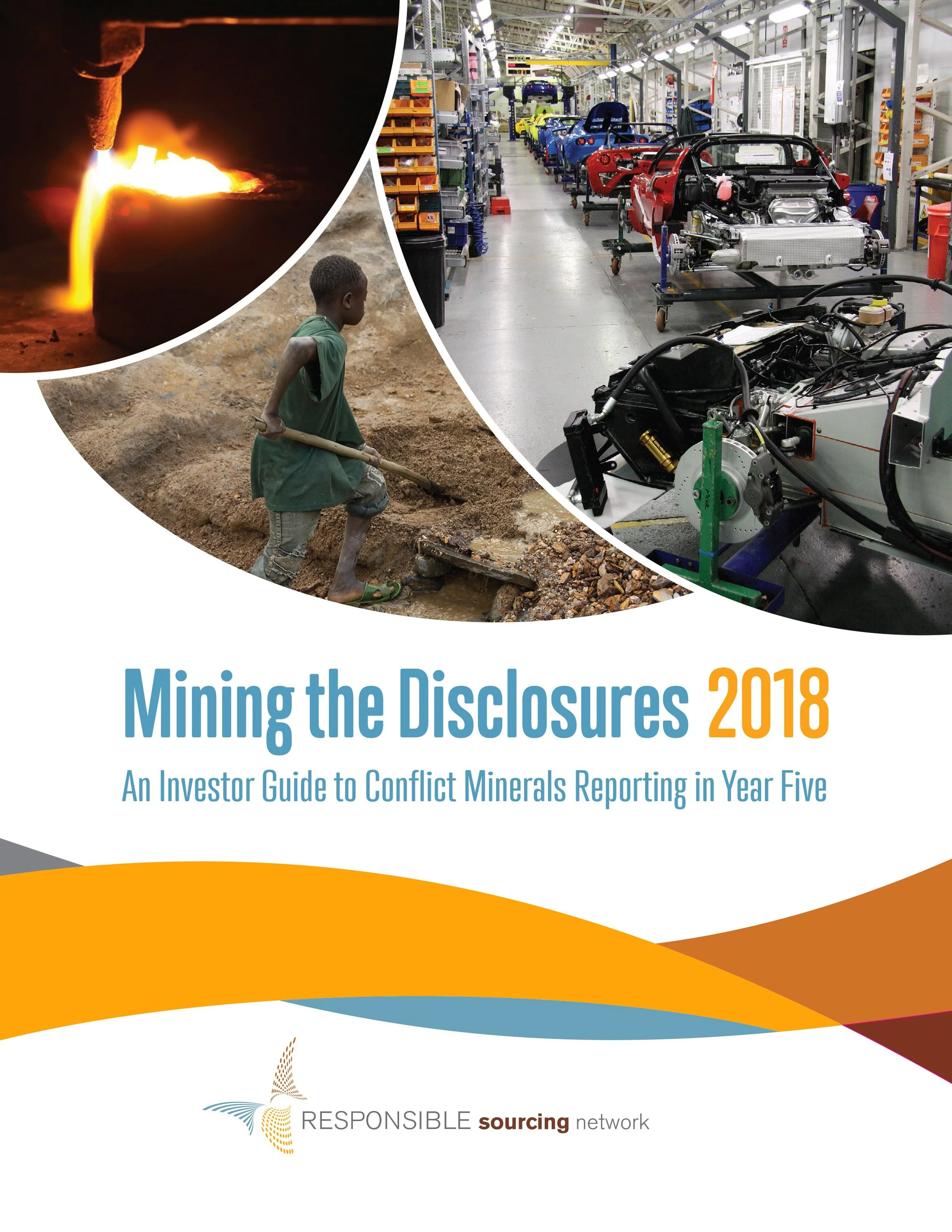
In Year Six, RSN is Expecting High Quality Conflict Minerals Disclosures
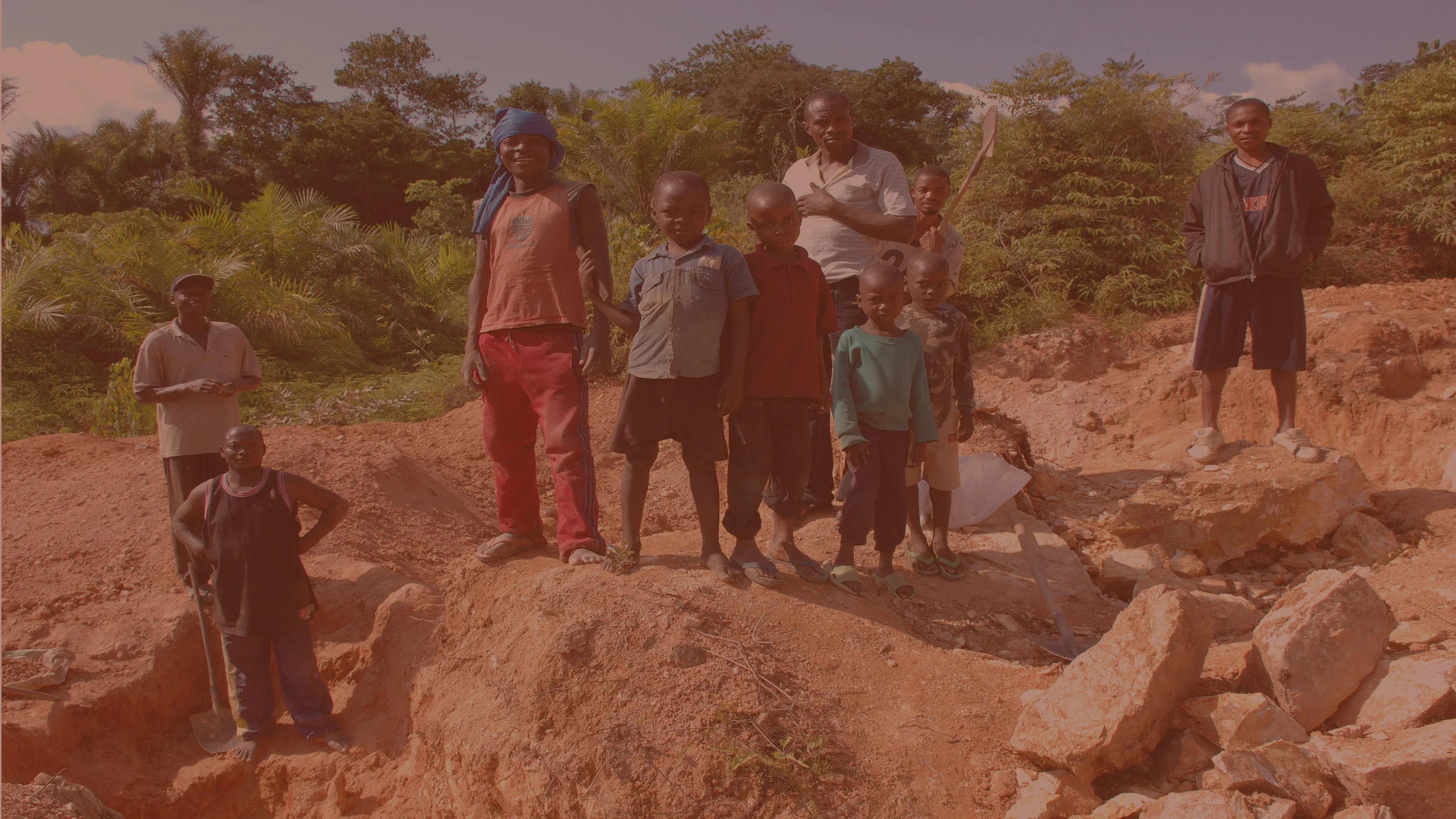
RSN will release its Mining the Disclosures (MtD) 2019 report near the end of October, which will continue to provide an inside look at how companies are addressing abuses that impact Congolese children and adults.
Read More
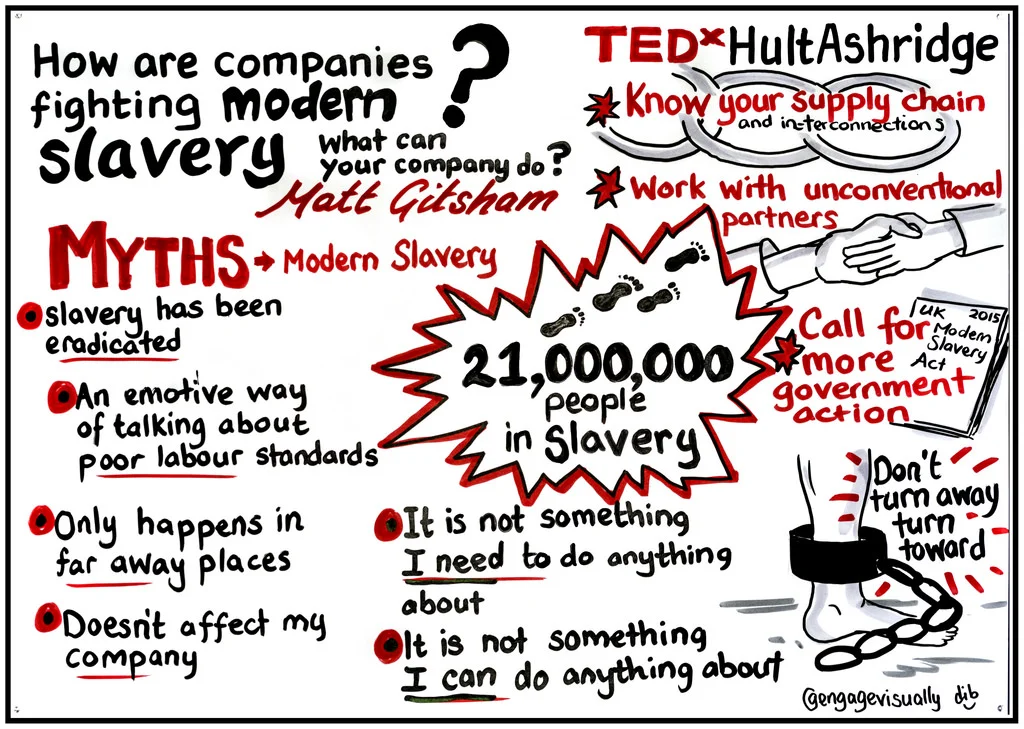
H.R.7089 is the chance for the U.S. to assert its commitment to ending slavery on the planet. Will we miss it again?
For the fourth time in eight years, the House of Representatives introduced the Business Supply Chain Transparency on Trafficking and Slavery Act, or H.R.7089.
Read More
RSN 2019 Newsletter
This month is national slavery & human trafficking prevention month, so it’s a great time to update you on Responsible Sourcing Network’s (RSN’s) activities.
Read More
Feasibility Assessment of YESS: Yarn Ethically & Sustainably Sourced
Patricia and I learned a lot during the Feasibility Assessment. Here are just a few highlights, which I will go into more detail on below
Read More
Companies Need to Proactively Increase Their Actions on New Minerals Due Diligence
In 2010, Section 1502 of the Dodd-Frank Act spurred action across industries for more transparency in supply chains containing tin, tungsten, tantalum, and gold (commonly referred as 3TG).
Read More
Following the Lead of Uzbekistan, Brands and Investors Support a Cotton Pledge for Turkmenistan
In 2011, RSN released its first iteration of the Uzbek Cotton Pledge, asking brands to sign and commit to not sourcing cotton produced with forced child labor for the manufacturing of any of their products. Today more than 280 brands and retailers have signed the pledge.
Read More